
Some Notes on Walking
There is more complexity and beauty in ambulary locomotion than we give it credit for. Sadly, the only spotlight walking receives is one’s first steps. After that it is quickly relegated to that autonomous section of our brain where we keep such trivial tasks as heartbeats and breathing. However, if you walk with a bit more intention, you may find a higher purpose for the activity than accumulating 10,000 steps.
Please, allow me to share with you some of my preferred modes of ambulation.
Standard Walking
You can’t beat a classic. If you want to get from here to just over there, and the time it takes isn’t being measured, walking is probably the best way to do it. Not the flashiest, no one is going to applaud your style, but you’ll get there safe and sound.
Ambling
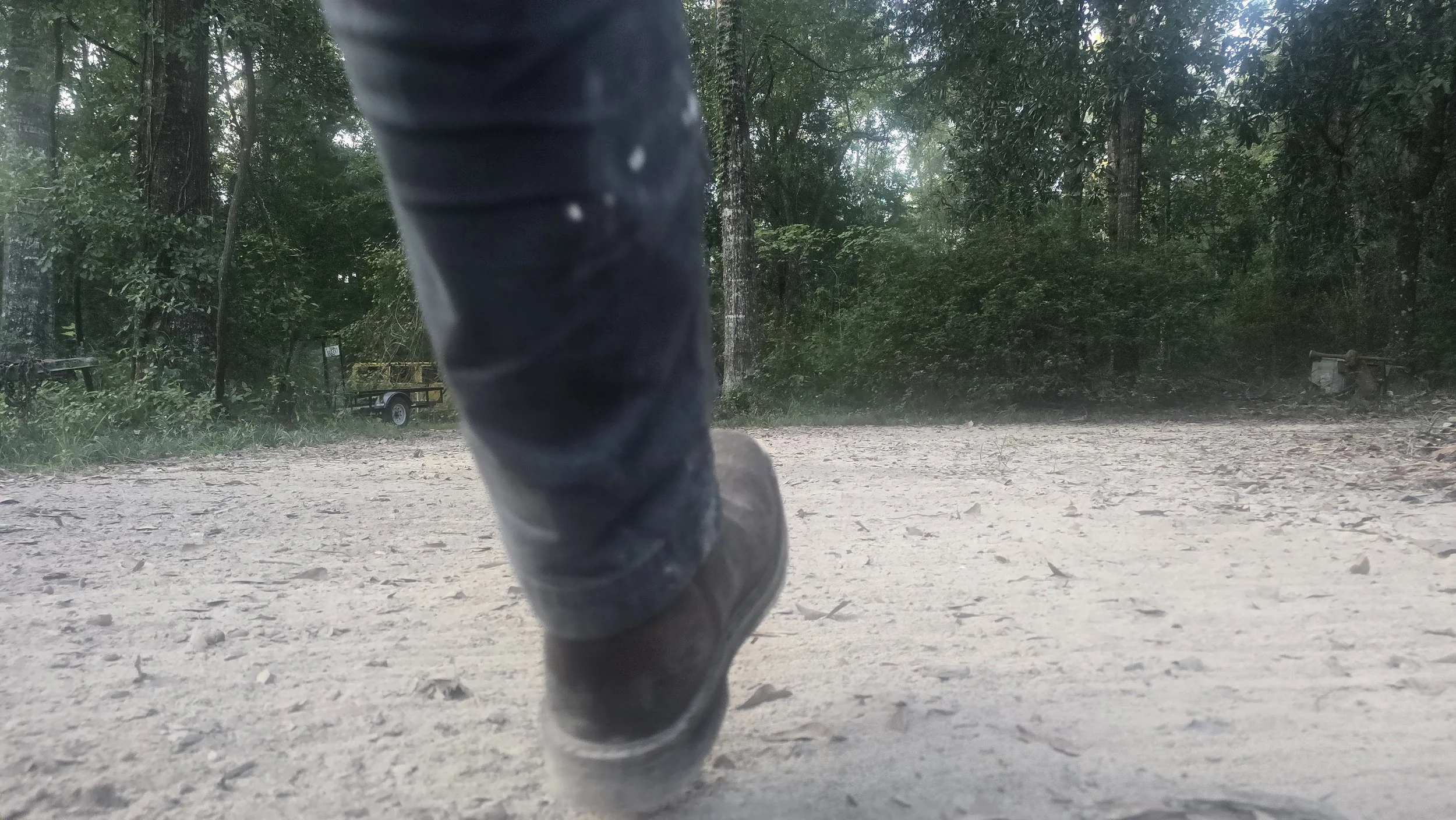
What if travel is incidental? Sometimes, a person just needs to think things through. Maybe you need to work through a circumstance, or perhaps it’s just a dense physics book you’re trying to comprehend, whatever the reason ambling is your solution.
“But what of my notes?” you scream at your screen. Calm down. The lack of pen and paper is made up for in the addition brain power, I assure you. “Additional” is a bit misleading, since you’re no smarter than earlier, but the effort has a lovely away of smoothing out the wrinkles of thought, allowing you to see further, so to speak.
Since I have made up the specifics underlying this term, I shouldn’t have skipped the definitions. While walking occurs at approximately 2-3 miles per hour, ambling is just a touch slower, no faster than 2 miles per hour but no slower than 1 mile per hour. This balance is key, if you get too slow you may slip into moseying.
Moseying
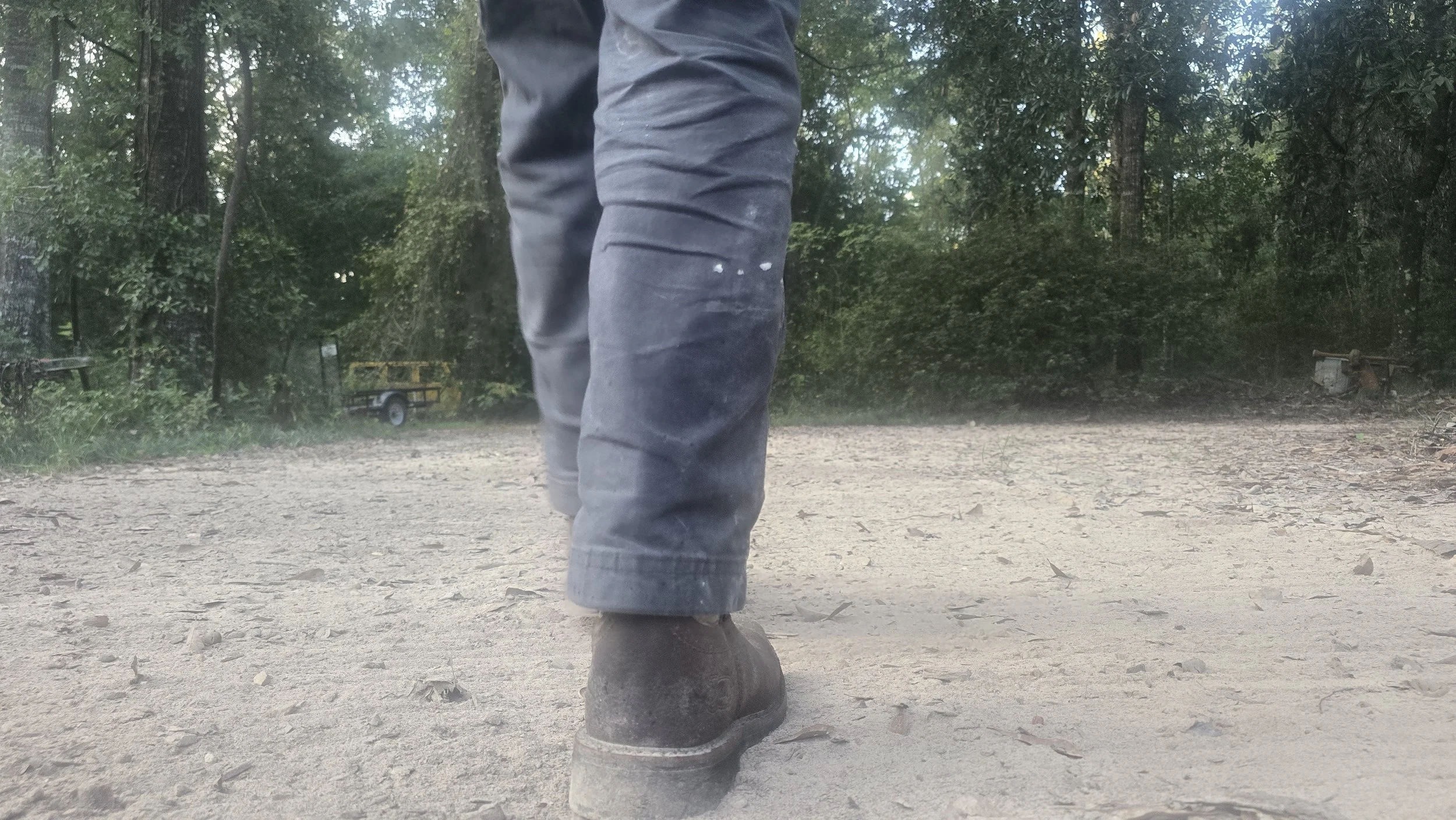
When your brain gets heavy and you don’t want to think at all, you put on your hat and go for a mosey. Moseying is achieved below 1 mile per hour. It should be a painful pace for the modern human, slow enough that even in the empty woods you worry that you’re holding someone up.
Over time, less than you’d imagine, one becomes accustomed to the pace. Eventually, thoughts are almost difficult to hold on to, as if even they are too impatient for the mundanity. It’s a wonderful feeling to have more willpower than thoughts, which I always imagined as quite strong things. They aren’t, really. I’m not even sure they exist. But that’s for another essay.
Moseying is best accomplished in a circle (or ellipse) large enough that you don’t become dizzy. Unfortunately, this means moseying is not a typical back yard activity, however a city block is ideal for the practice. Be advised that if you mosey in a US city, prepare your “go around” wave.
Speed Walking
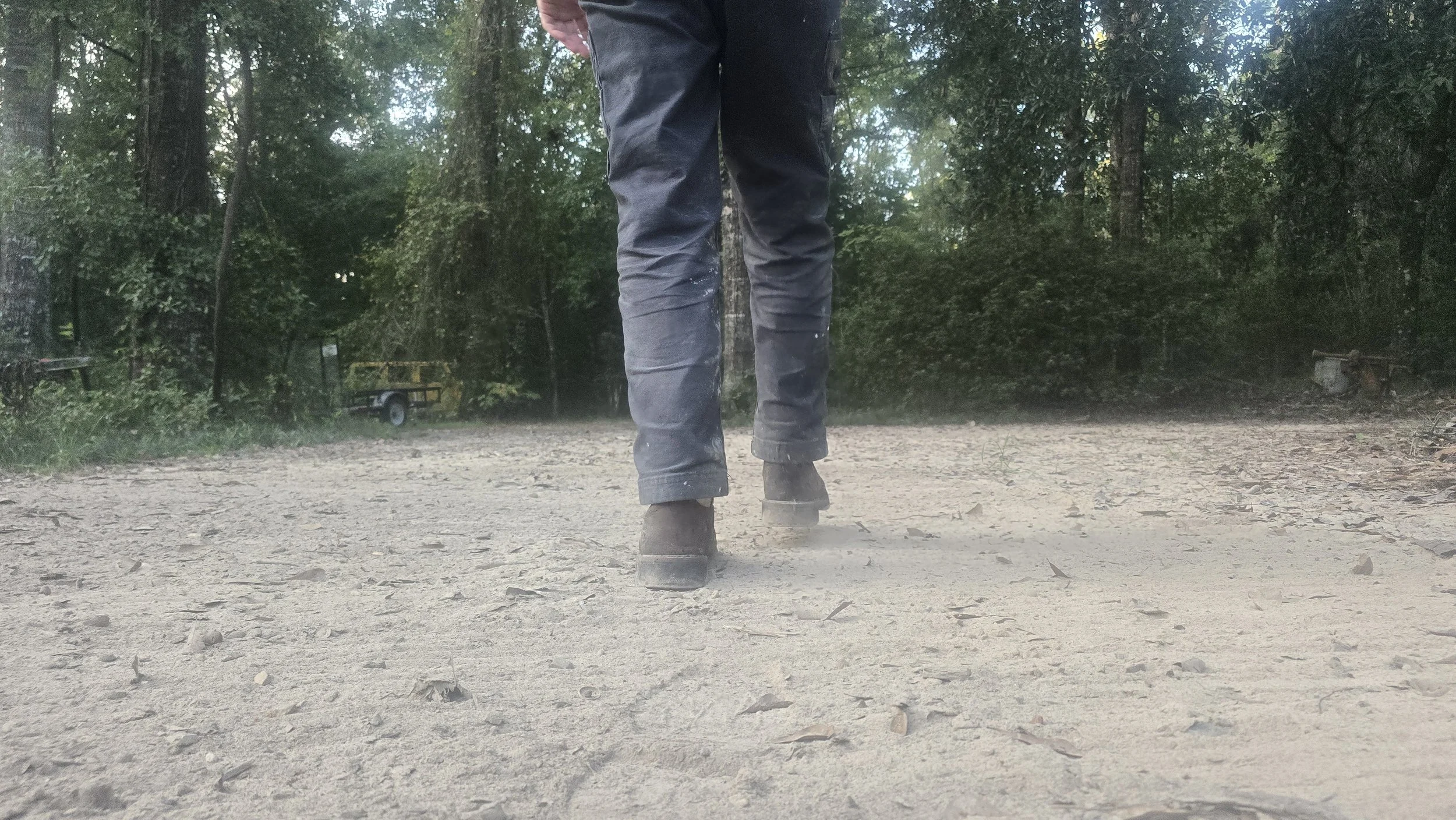
This mode has really gone out of style and may be on its way to extinction. I think this is related to the fall of mall culture since malls were a speed walkers’ playground. Women in purple and green windbreakers and bright white sneakers whipping their bent arms back and forth in time with their legs as they share gossip with Sandy about how Genette is cheating on her husband with the sexy lettuce guy from the Sunday farmer’s market.
Similar to running, speed walking is best in a group, but speed walking has the advantage here. It could be argued that running (or jogging) is better for your health than speed walking, but health is a term almost as varied as walking! What about mental health? That’s where walking shines.
Speed walking is ideal for social development — power to those who can jog and chat, but some of us are human — but it requires a social “circle.” Not a group of friends, though I suppose that’s also required, I mean a social, air conditioned location that leads back to itself.
I wonder if there are some nice ladies gossiping in an abandoned mall. I’d love to know how the sexy lettuce guy is in bed.
Dancing
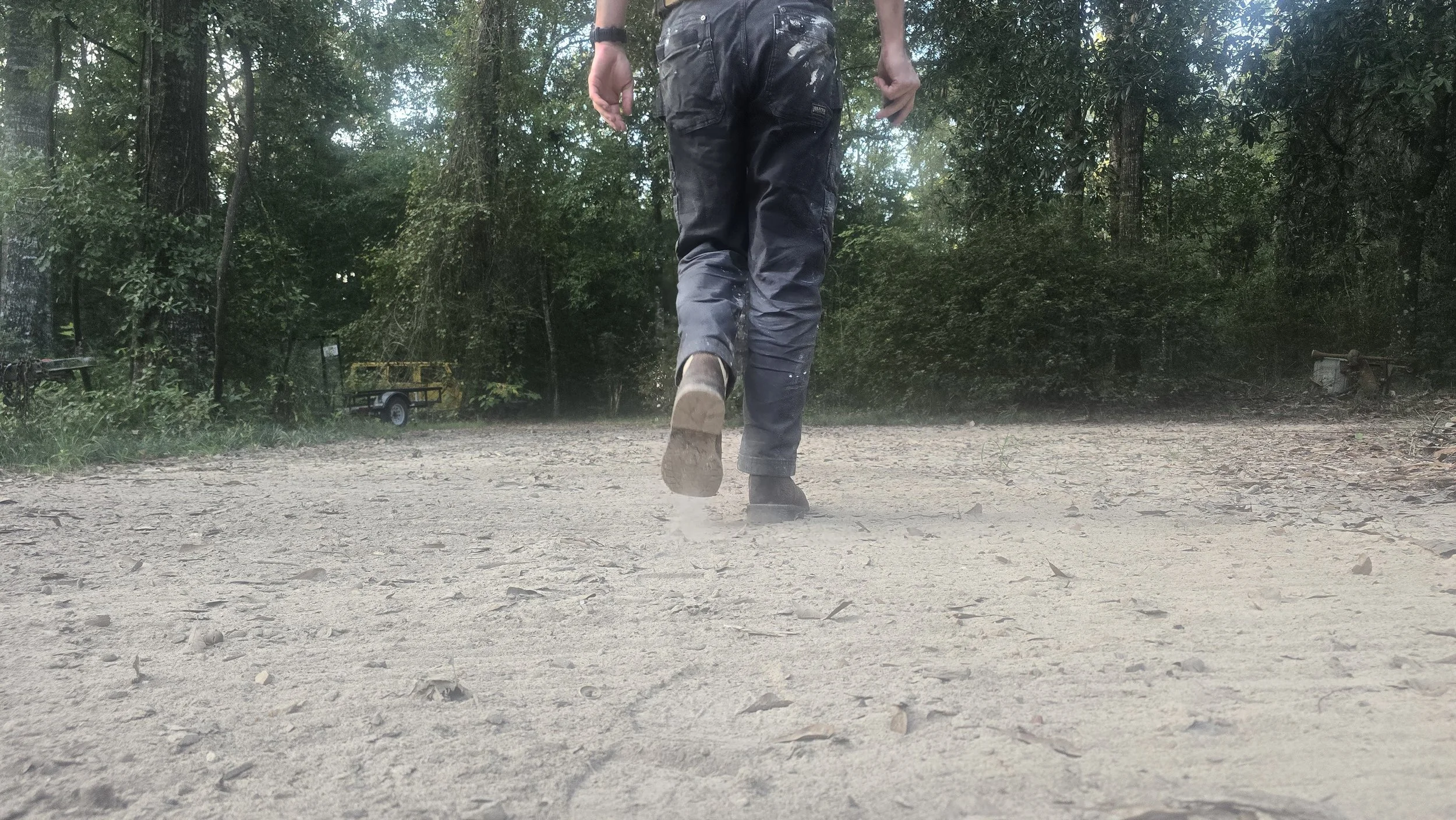
Dancing ranks as one of my favorite modes of walking, though most would not include it in the category. I’ll admit that not all dancing leads to traversal, but I have also stated that not all walking is about getting from one place to another.
It’s as easy as can be to dance. Put on some tunes (real or imagined) and move to the groove and baby, you’re dancing. Do it in a circle or on the way to the bus stop. Perform a cartwheel or simply step in time to the beat — it all counts.
But what is it good for? OK, so a bit of fun isn’t impressive enough for you, I understand that, but have you ever had a bad day?
I thought so.
When you want to rip your hair out or punch a wall or scream into the infinite void, maybe I humbly suggest dancing instead. If you’re a workout person, add some singing in as well. Trust me, in a couple minutes you’ll be panting and the desire to break a windshield with a baseball bat will be greatly diminished.
Scooting, Skipping, Slow-Mo, Backwards, etc.
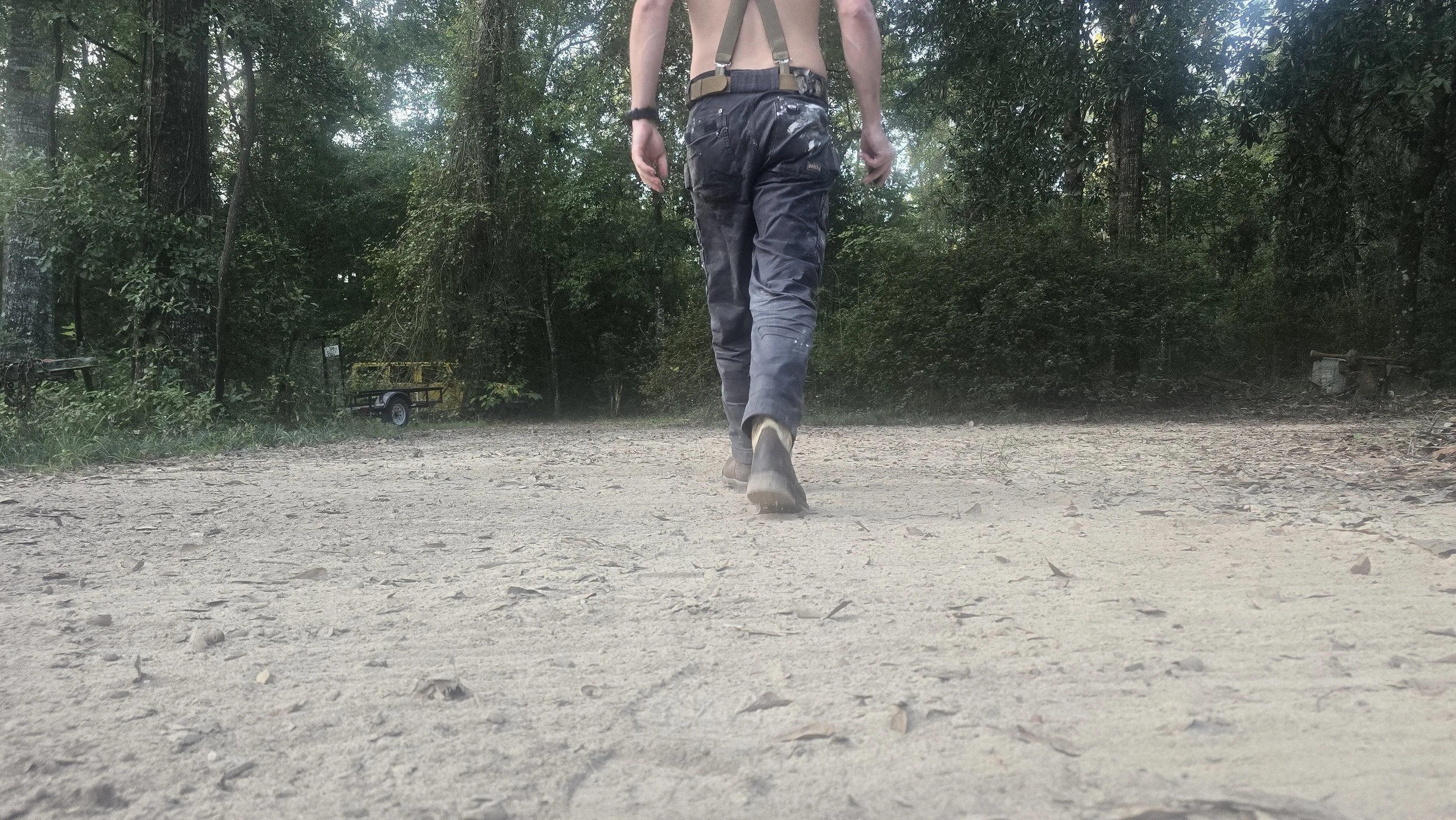
Scooting feels undignified, opening your mind to new possibilities
Skipping is impossible without whimsy, feeding your inner child.
Backwards uses different muscles, both in the legs and the brain, bringing you into the present.
Slow-Mo is just plain fun.
There are so many ways of walking that I don’t have the time or desire to expound upon, but I’m sure the point is becoming belabored enough. We discover walking before speech and the crowd treats it with reverence and joy. Over time, that same crowd converts it into the least desirable transportation.
I’m taking it back.
From the Rift,

Thanks for Reading!
Prefer to listen? Subscribe on Apple Podcasts, Spotify, or using the RSS feed
